

History of Badminton: From Poona to the World Circuit
The history of badminton begins in British India, passes through an English manor that gives it its name, and shifts to Asia in the mid-twentieth century.
· 8 min
8 articles
Badminton rules cover far more than court lines. Service, let, server order in doubles, foot-fault handling, racket tension control — these rules sometimes decide tight matches. This category bundles our detailed explanations of BWF regulations, illustrated with real cases seen in competition. Tournament players, captains and umpires in training will find the references needed to handle disputed situations and prepare their teams.
The history of badminton begins in British India, passes through an English manor that gives it its name, and shifts to Asia in the mid-twentieth century.
· 8 min

The BWF world ranking is based on a 52-week rolling period and the ten best results. Here's the complete mechanism, and why a player can drop without losing.
· 9 min

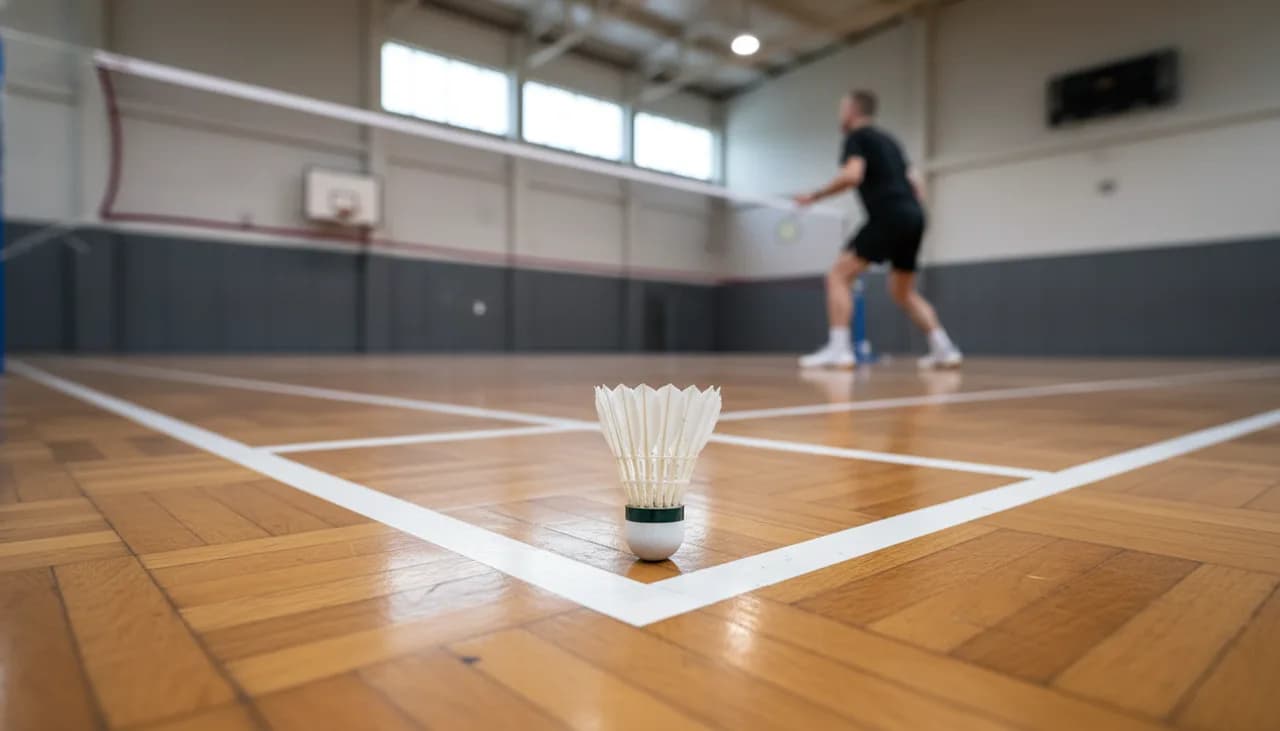
Badminton rules explained: scoring, service, faults, and let. The guide to playing and officiating by the rules.
· 11 min
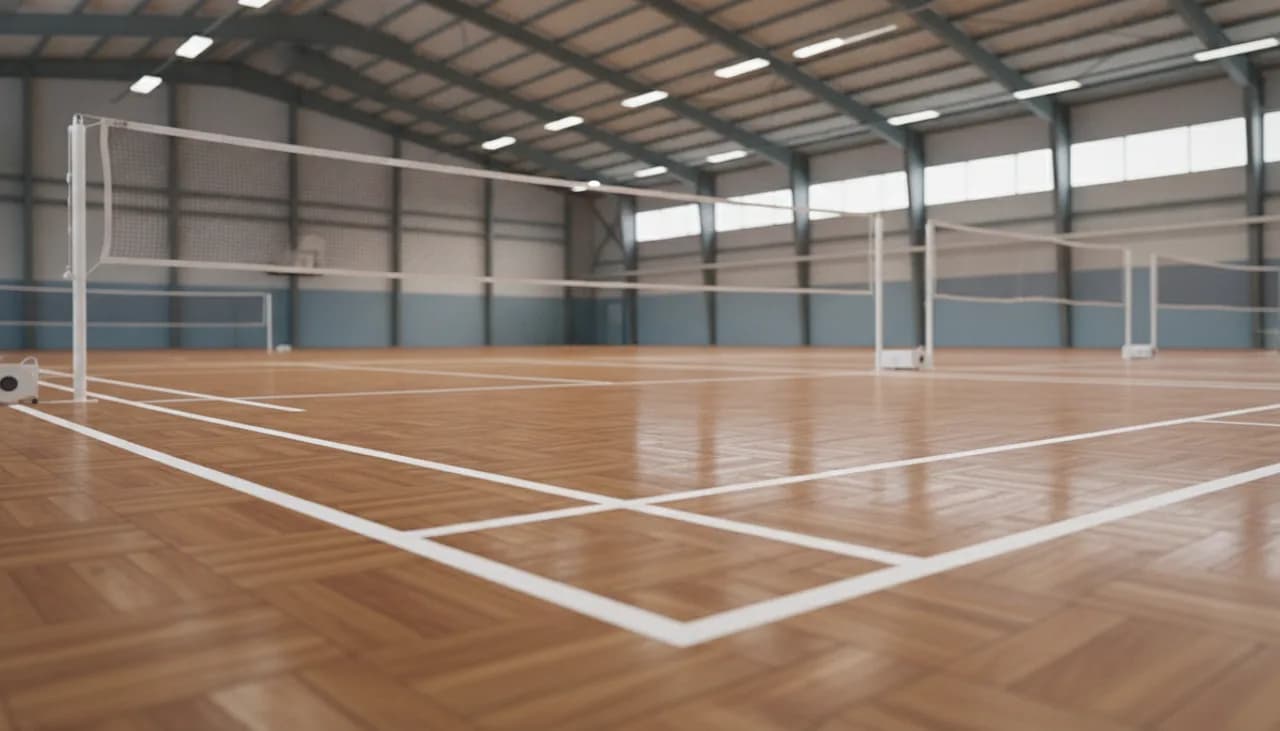
The badminton net height is 1.55 m at the posts and 1.524 m at the center. We explain why, how to set it up correctly, and which net to choose.
· 12 min
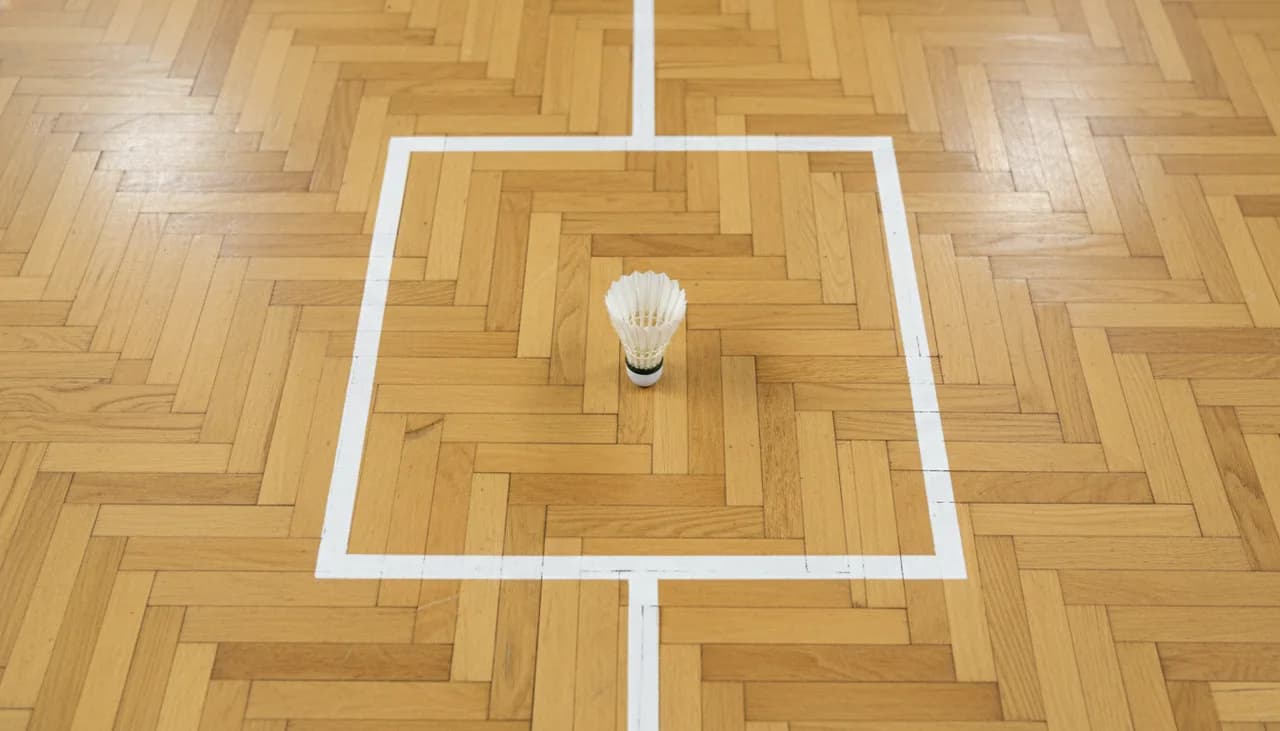
Badminton tournament registration, series selection, score sheet, and D-day: the step-by-step guide to successfully completing your first tournament without stress.
· 10 min
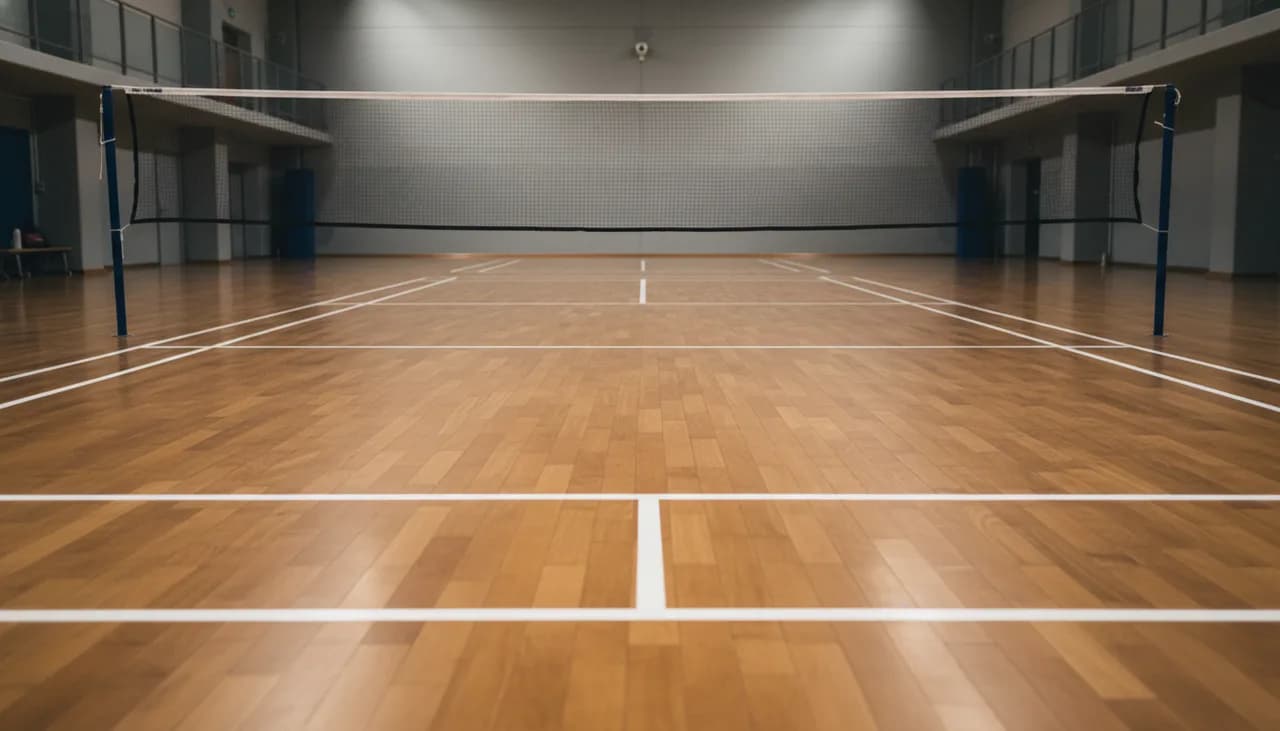
All regulation badminton courts measure 13.40 × 6.10 m for doubles. We break down the BWF dimensions, net height, and court markings.
· 11 min
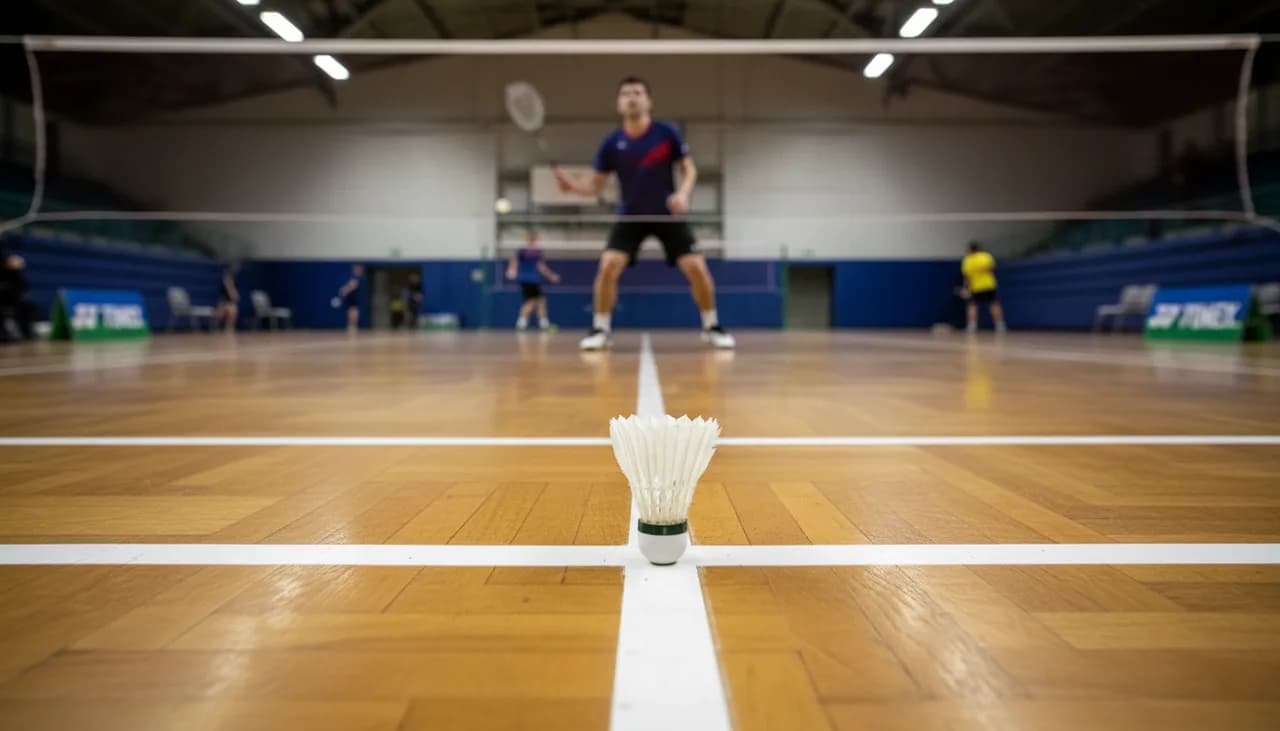
Badminton service rule explained clearly: 1.15m height, singles and doubles zones, common faults. You'll know exactly when the umpire will raise their arm.
· 15 min