
Why we plateau
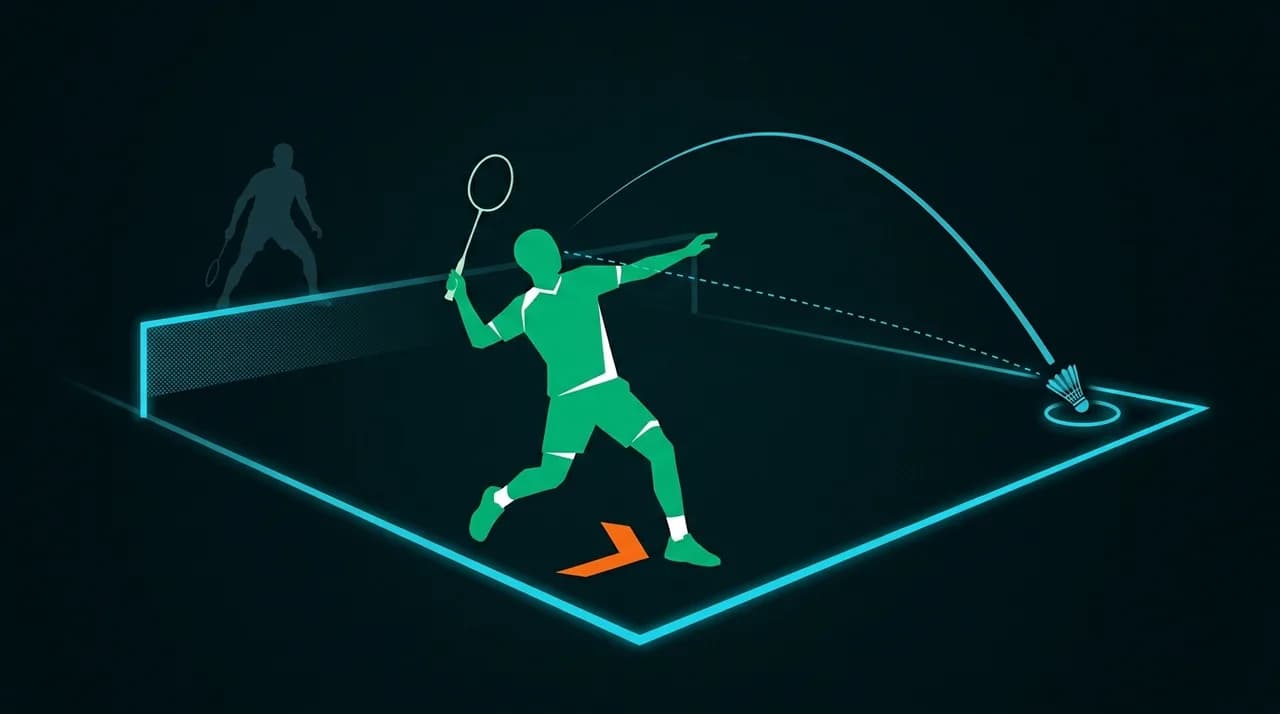
Most club players hit a ceiling at the same spot: they play a lot, train sometimes, and repeat the same mistakes because nobody points them out. The felt stroke and the actual stroke differ, a contact point taken behind the head feels like a high contact point, a late split step feels like a good start. Without video, correction is based on what you think you are doing. And when one flaw is identified, ten others remain: without a hierarchy, you work on what is visible rather than what costs you points. Improving therefore requires three things in order: seeing your game as it really is, choosing the flaw that weighs the most, and checking after a few sessions that the fix stuck in matches, not just during drills.
What you send
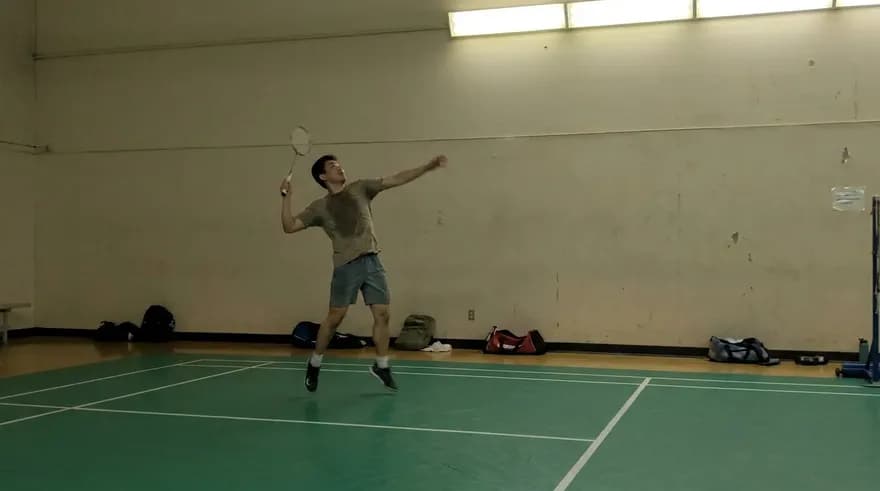
Videos of your real play, shot on a phone: a point or two, a drill, a match sequence, or a YouTube link. The match sequence shows where you lose points; the drill shows whether the corrected stroke holds up outside pressure. Thirty seconds in landscape mode is enough for a hit, a few minutes for a sequence, with the phone placed on the side or behind the court, your full body in the frame. You do not need to prepare or annotate anything: the analysis detects shots, categorizes them, and links them to points. Send videos regularly, once a week is enough, so that your history has something to compare.
What you receive
A three level breakdown of your game. The point: which shot decided it, what another choice would have given. The stroke: contact height, preparation, striking foot, with the exact moment to watch for each flaw. The trend: from one analysis to the next, what recedes and what comes back, tracked in your player memory. The Peak coach relies on this to suggest what to work on this week, and the online courses provide the drill: a cue, a set to record, a score. The intention, execution, confirmation cycle, which courses use to score every set, is also the reading grid for your points: what you wanted to do, what you did, what you verified before the next shot.
The method, in practice
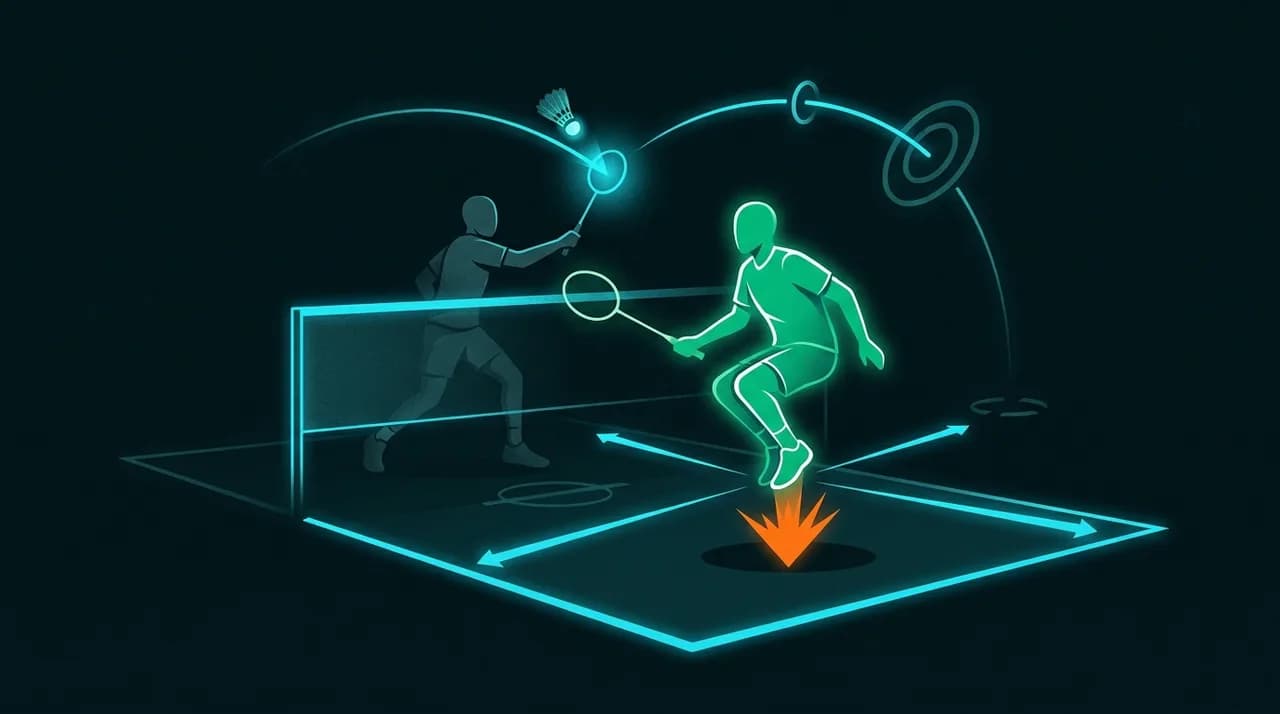
Week one, a match sequence: the analysis ranks your flaws by frequency, you pick one, often a positioning issue before a stroke issue. Weeks two and three, the drill from the corresponding course, recorded, scored, repeated until reaching seven out of ten successful reps. Week four, a new match sequence: if the flaw has receded in a match, you move to the next one; if it comes back under pressure, the drill changes format, adding an opponent and a decision to make. One flaw per month, fixed in matches, is worth more than five fixed during training and forgotten in tournaments. The progress board keeps track, and Peak reminds you where you are when you resume after a break.
Who it is for
For ranked or unranked club players who have been playing for years without knowing why they lose to the same profiles. For motivated beginners who want to avoid cementing flaws, a service that is too high or a lunge on the wrong foot, which are costly to fix later. For players who have a coach and want to show up to practice with a precise question. Registration is free, with free analysis minutes, the first step of each course, and access to the coach, no credit card required; monthly or annual subscriptions add minutes and all courses. It is neither a physical program nor a replacement for the court: it is the outside perspective that is missing between sessions.