
What practice analysis does
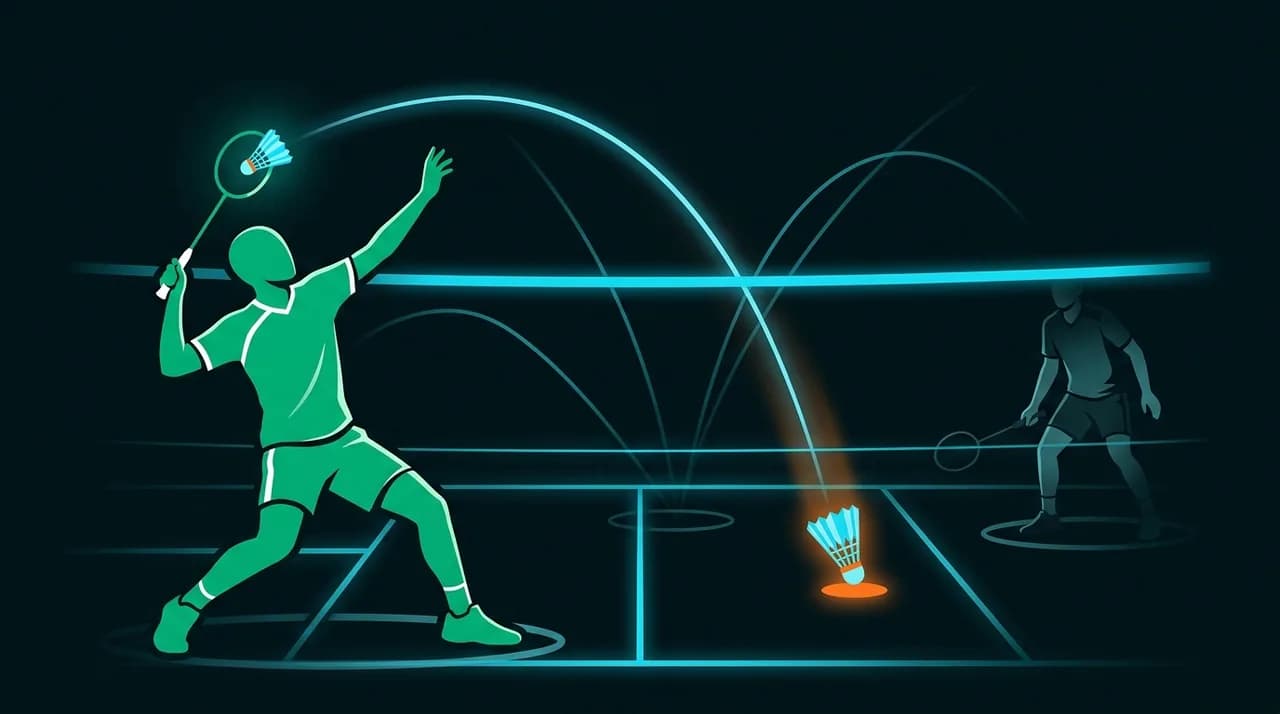
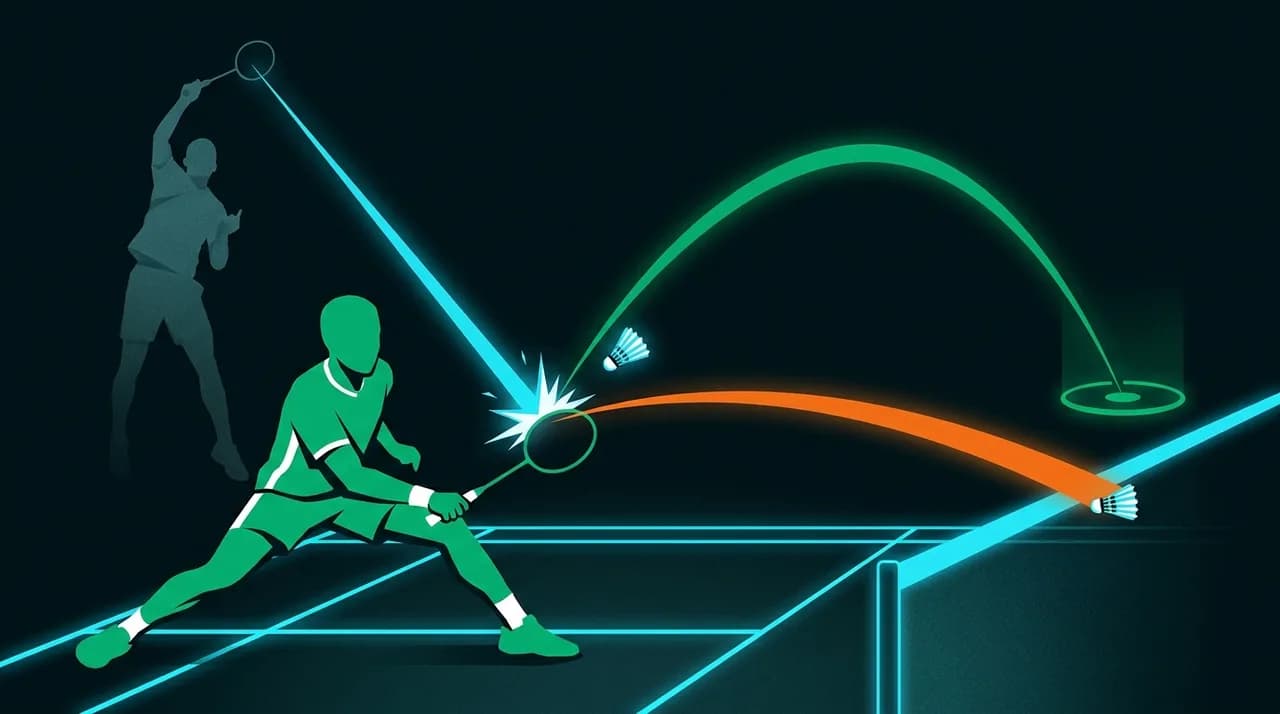
Practice without feedback just repeats the same mistakes. Practice analysis looks at a series of repetitions of the same stroke, ten smashes, ten short serves, ten drop shots, ten lunges to the net, and gives you what a coach would write down on the side of the court: how many repetitions hit the target, which one is the best, which one is the worst, and what changes between the two. It timestamps each repetition, describes the contact point, the preparation, and the footwork, and gives you a correction to apply to the next set. On a two player drill, it tracks the player you specify. On a rally drill, it reads the rally construction and the shot that decided the point. The grade is based on the requested movement, not the shuttlecock outcome: a good hit that lands slightly out still counts as good.
What you send
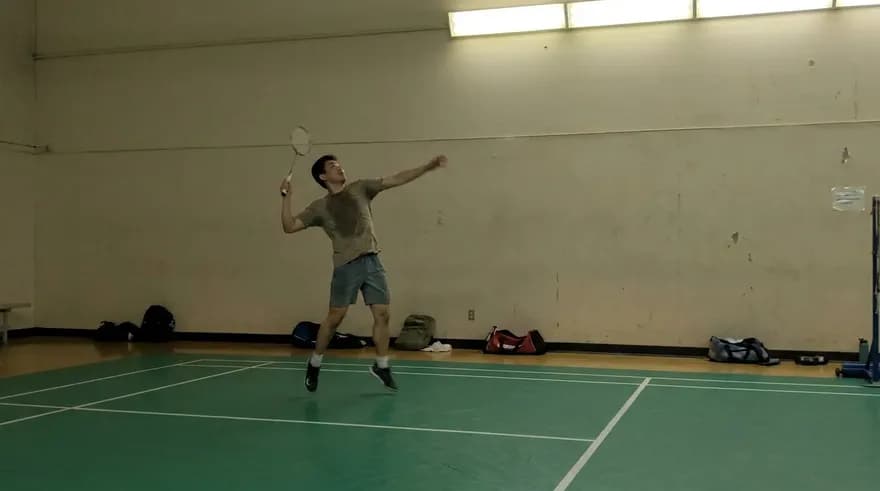
A set of repetitions filmed on your phone, in landscape mode, from the side at hip height for a single stroke, or behind the court for a rally or two player drill. Around ten repetitions are enough; the analysis also accepts longer clips. Your whole body, the racket, and the shuttlecock must stay in the frame, without a tripod or slow motion. You specify the stroke you are working on, smash, serve, drop shot, clear, backhand, footwork, or you describe the drill if it does not match a standard shot, and the analysis builds its evaluation criteria from your description. Your session videos stay private in your account and can be deleted whenever you want.
What you receive
A report within minutes: a summary of the set, the count of successful repetitions, timestamps for the best and worst ones, a three step stroke analysis, intention, execution, confirmation, a profile of your strengths and weaknesses on this shot, and a practice plan for your next session. On hitting drills, some analyses also deliver an annotated video with every repetition tracked. From one session to another, your history shows if the targeted mistake is improving, and the Peak coach uses it to suggest your next drill. You can share the report with your coach using a simple link.
Drills to train with
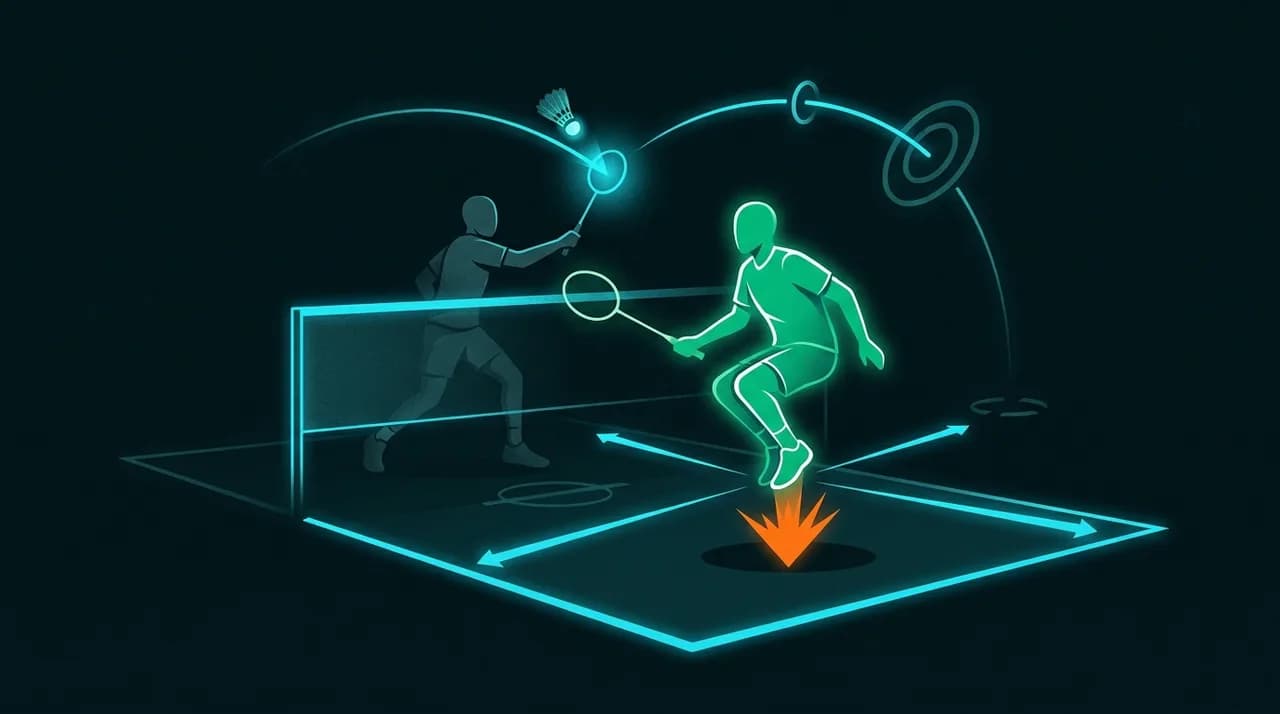
Solo, shadow badminton isolates footwork: six zones, one movement path per signal, return to center and split step, ten paths per set. With a partner or a feeder, every shot has its own precision drill: clears toward a strip in front of the baseline, drop shots into the area between the net and the service line, short serves onto a piece of paper placed behind the line, smashes toward the floor between the service line and the middle of the court. Count out of ten, note it down, repeat. The online courses cover these drills step by step, with instructions, phone placement, and grading on every set; dedicated pages for each stroke, smash, serve, drop shot, clear, backhand, footwork, describe the specific errors to watch out for.
Who it is for
For the club player who trains once or twice a week and wants the time spent on a movement to actually pay off. For those training alone or in pairs outside of a club, without outside guidance. For the coach who sets drills to do between sessions and wants to see the results. Practice analysis uses the minutes in your account: signing up gives you free minutes, no credit card required, and monthly or annual subscriptions add more minutes each month. It works on a beginner stroke just as well as a competitor set, only the detail of the feedback changes.